Weather in Bangalore : 29°C as at 09:45
  • ~WISH YOU ALL A VERY HAPPY AND WONDERFUL MOMENT.~
Week's Proverb : A nod is as good as a wink.-(To a person who is ready to understand or undertake something, any subtle signalling of it is sufficient)

Theme of the Week

About Me

It is my first time to say hello and do some self introduction to everybody here online. My name is Ashis.P.Donthi, male, 27, from Bangalore, India. I like reading, and do some collections in my spare time.

About Me

It is my first time to say hello and do some self introduction to everybody here online. My name is Ashis.P.Donthi, male, 27, from Bangalore, India. I like reading, and do some collections in my spare time.

About Me

It is my first time to say hello and do some self introduction to everybody here online. My name is Ashis.P.Donthi, male, 27, from Bangalore, India. I like reading, and do some collections in my spare time.

About Me

It is my first time to say hello and do some self introduction to everybody here online. My name is Ashis.P.Donthi, male, 27, from Bangalore, India. I like reading, and do some collections in my spare time.

About Me

It is my first time to say hello and do some self introduction to everybody here online. My name is Ashis.P.Donthi, male, 27, from Bangalore, India. I like reading, and do some collections in my spare time.

Showing posts with label Festival. Show all posts

Monday, April 04, 2011

Ugadi

Ugadi is the New Year's Day for the people of the Deccan region of India.
It falls on the different day every year because the Hindu calendar is a lunisolar calendar. The Saka calendar begins with the month of Chaitra (March–April) and Ugadi marks the first day of the new year. Chaitra is the first month in Panchanga which is the Indian calendar.

While the people of Karnataka and Andhra Pradesh use the term Yugadi/Ugadi for this festival.
The people of Maharashtra term the same festival, observed on the same day, Gudi Padwa.
Sindhis, people from Sindh, celebrate the same day as their New Year day Cheti Chand.
Manipuris also celebrate their New Year (Sajibu Cheiraoba) on the same day. While it is observed as Baisakhi in Punjab and Puthandu in Tamil Nadu. However, it is not celebrated on the same day in Tamil Nadu as Tamils follow Solar calender.

The word Yugadi can be explained as; 'Yuga' is the word for 'epoch' or 'era', and 'aadi' stands for 'the beginning'. Yugadi specifically refers to the start of the age we are living in now, Kali Yuga.
Kali Yuga started the moment when Lord Krishna left the world. Maharshi Vedavyasa describes this event with the words "Yesmin Krishno divamvyataha, Tasmat eeva pratipannam Kaliyugam". Kali Yuga began on Feb 17/18 midnight 3102 BC.

The festival marks the new year day for people between Vindhyas and Kaveri river who follow the South Indian lunar calendar, pervasively adhered to in the states of Andhra Pradesh, Karnataka, Maharashtra and Goa.

Observance of the festival:
The Kannada, Telugu and the Konkani diaspora in Karnataka and Kerala,people celebrate the festival with great fanfare; gatherings of the extended family and a sumptuous feast are 'de rigueur'. The day, begins with ritual showers (oil bath) followed by prayers.

Symbolic Eating of a Dish with Six Tastes:
The eating of a specific mixture of six tastes (షడ్రుచులు), called Ugadi Pachhadi (ఉగాది పచ్చడి) in Telugu and Bevu-Bella( ಬೇವು-ಬೆಲ್ಲ) in Kannada, symbolizes the fact that life is a mixture of different experiences (sadness, happiness, anger, fear, disgust, surprise) , which should be accepted together and with equanimity through the New Year.

The special mixture consists of:
• Neem Buds/Flowers for its bitterness, signifying Sadness
• Jaggery and ripe banana pieces for sweetness, signifying Happiness
• Green Chilli/Pepper for its hot taste, signifying Anger
• Salt for saltiness, signifying Fear
• Tamarind Juice for its sourness, signifying Disgust
• Raw Mango for its tang, signifying Surprise

Special dishes:
In Karnataka a special dish called Obbattu or Holige, is prepared. In Andhra Pradesh, a special dish called Bhakshyalu or Bobbatlu (Polelu) (Puran Poli) are prepared on this occasion. It consists of a filling (Bengal gram and jaggery/sugar boiled and made in to a paste) stuffed in a flat roti like bread. It is usually eaten hot/cold with ghee or milk topping or coconut milk at some places of Karnataka.

Another dish which is prepared on occasion of Ugadi is "Pachadi". It includes 6 tastes which are Theepi,Karam,Pulupu,Vagaru,Chedu and Uppu(in telugu language). We prepare this with the ingrediants are VepaPuvvu,Bellam,Karam,Mango,Uppu and Chinthakaya(in Telugu language). Nuthana Samvatsara Shubhakankshalu to all Telugu people.

Recitation of Almanac:
Later, people traditionally gather to listen to the recitation of the religious Panchangam (almanac) of the new year, and the general forecast of the year to come. This is called the 'Panchanga Sravanam', an informal social function where an elderly and respected person refers to the new almanac and makes a general benediction to all present. The advent of television has changed this routine, especially in the cities. Nowadays, people turn on the TV to watch broadcasts of the "Panchanga Sravanam" recitation.

Tuesday, October 12, 2010

Aloo Pulao

Aloo Pulao

India is a land of festivals and festivals are incomplete without mouth watering dishes. Navratri is one of the festivals celebrated with a variety of dishes. As some people keep fast on this nine days festival, there are specific recipes which are made only with the ingredients used in the fast. Aloo is one such ingredient which is commonly used in the recipes for Navratri fasts. Below we have given special recipe for aloo pulao, which you can prepare during Navratri fasts. It is very easy to make and delicious to taste.

Ingredients
1 cup Samwat Rice (also known as Parsai ke chaawal)
2 tbsp. Ghee
1 tsp. Cumin Seeds
2 Cloves
A tiny piece of Cinnamon
2 green Cardamoms
1 large Potato (diced in small pieces)
2 tsp. Rock Salt
1/2 tsp. Red Chili Powder
3 cup Water
Green Coriander to garnish
Method
Heat ghee in a pan
Add cumin seeds, cloves, cardamom and cinnamon to the oil
When they give off fragrance, add potato and rice
Stir-fry to a light brown color
Add rock salt, chilli powder and water
Cover the pan and let it simmer on low flame for about 15 minutes.
Garnish with green coriander
Serve hot, with cold curd.

Aloo Raita

Aloo Raita

Navratri is a festival that comprises of nine-days continuous fasting, so you need to take special care of your diet. You should include milk and milk products in your diet during the fasts. Curd is one of the best milk products you can have during this time. It is also believed that food is incomplete without curd. You can make various kinds of raitas with curd, such as boondi raita, vegetable raita, pineapple raita, and so on. But, since on Navratri, most of the people keep fast, we have given the recipe of aloo raita, which you can use while preparing Navratri food fro fasting.

Ingredients
3 Potatoes (boiled & chopped)
2 cups Curd
1 tsp Cumin Seeds
1/2 tsp Pepper
1/2 tsp Red Chili
Rock Salt, to taste
1tsp Oil
Method
Beat the curd till it turns smooth
Add chopped potatoes and mix it well
Heat the oil and add cumin seeds, pepper, and red chili and stir it for a moment
Add it to potato curd mixture
Sprinkle rock salt to taste
Keep it in refrigerator and serve along with the meal.

Dal Stuffed Poori

Dal Stuffed Poori

In some communities, people undergo rigorous fasts during Navratri that lasts for all the nine days of the festival. The festival of Navratri culminates in Navami. On this day, Kanya Puja is performed. Nine young girls, representing the nine forms of Goddess Durga, are worshiped. Their feet are washed as a mark of respect for the Goddess and then they are offered food, including poori, channa and Halwa. Below, we have given the method of preparing dal stuffed poori, which you can make on Navami.

Ingredients
1 cup Wheat flour
1/2 cup Black Gram Dal (urad dal)
2 Red Chilies
1/2 tsp Cumin Seeds
2 Cardamoms
2 Cloves
1/2" piece Cinnamon
1/5 cup Water
Oil to fry
Salt To taste
Method
Rub 1 tsp oil into the wheat flour
Add 1/2 tsp salt to the wheat flour
Make soft dough using small amounts of water
Set aside the dough for 25 minutes, covered with a wet cloth
Soak black gram dal for atleast one hour and grind to make a paste
Add very little water if required to make a paste
Grind together red chilies, cumin seeds, cardamom, cloves and cinnamon and keep aside.
Heat 1 tbsp of oil in a fry pan
Add the dal paste and the mixed masalas, stirring constantly till the dal is fried and the water is absorbed leaving it dry
Knead and divide the dough into 10 small balls
Make a cup with each ball and fill with the prepared dal mixture
Seal by extending the dough over the filling
Flatten and roll it as a roti, approx. 3" in diameter
Deep fry in hot oil till golden brown
Drain and serve hot.

Kaddu Ki Sabzi

Kaddu Ki Sabzi

Navratri is celebrated in a grand manner in places like Gujarat, Bengal, and other parts of North India. Apart from the puja, it also involves the observance of fast by devotees. Kaddu ki sabzi is one of the popular recipes prepared on Navratri. Liked by most of the people, it is perfect in case of Navratri fast, in which grains and vegetables are not allowed. In fact, a Navratra thali is incomplete without kaddu ki sabzi. If you want to celebrate Navratri vrat with some delicious food, then try the easy recipe for kaddu ki sabzi. Just have a look at recipe and know about the ingredients required for making it as well as the method of preparation.

Ingredients
1/2 kg Kaddu (pumpkin/ sitaphal), peeled and cubed
1/2 tsp Turmeric Powder
2-3 Green Chilies, chopped
Salt to taste
1/4 tsp Garam Masala Powder
1/2 tsp Coriander Powder
1 tsp Sugar
1/2 tsp Amchoor (dried mango powder)
1/2 tsp Methi Dana (fenugreek seeds)
A pinch of Hing (asafetida)
1 tbsp Oil
Method
Heat oil in a pan and add methi dana and when it changes color, add hing, green chilies and sauté for 1 minute.
Now add kaddu pieces, turmeric, coriander powders, and salt and mix it well. Add 1 tsp water and cook on a lower heat till kaddu turns tender.
Add sugar, amchoor and garam masala powder and mix well. Cook on low heat for 2 minutes and continue cooking till all the water evaporates.

Kache Kele Ke Kofte

Kache Kele Ke Kofte

Navratri is one of the most important festivals of India. It is celebrated with a wide variety of special dishes, with each region having its own specialty. Navratri meals are strictly vegetarian, with no onion and garlic. People observe fast during Navratri and eat only one meal a day, at sunset, which is devoid of grains. One recipe that is popularly eaten by people during Navratri fast is Kele Ke Kofte, which is made with raw banana. The recipe is very easy to cook and tasty to eat. Given below are the details regarding the ingredients needed for making the dish as well as the method of its preparation.

Ingredients For Kofta
6 Raw Bananas
10 gm Ginger, chopped
10 gm Green Chilies, chopped
2 gm Cumin Seeds
1 gm Asafetida
5 gm Garam Masala Powder
Salt to taste.

Ingredients For Gravy
1/4 kg Beaten Curd
3 gm Clove
4 Bay Leaves
2 gm Cumin Seeds
1 gm Asafetida
5 gm Ginger, chopped
5 gm Green Chilies, chopped
25 ml Oil
1.5 gm Turmeric
5 gm Garam Masala Powder
2 gm Red Chili Powder
50 ml Water
For Garnish
3 gm Rogan
5 gm Chopped Coriander
Method
Boil and peel raw bananas and mash them. Add rest of the ingredients and make balls and deep fry.
Heat oil in a kadhai and then add cloves, bay leaf, cumin, asafoetida, ginger, green chili, beaten curd, turmeric, garam masala powder, red chili powder and water to adjust the consistency.
Adjust the seasoning. Add the koftas and simmer for a few minutes before serving. Garnish with rogan and chopped coriander.

Kuttu Pakora

Kuttu Pakora

Kottu Pakora is made with buckwheat flour, which can be consumed during Navratri fasts. It is one of the tasty and easy-to-prepare recipes, enjoyed even by those who do not observe fast. And those who keep fast for the full nine days of Navratri surely do enjoy this delectable recipe. If you also want to try this recipe during Navratri, just have a look at the information given below, regarding the ingredients as well as the method of preparation.

Ingredients
1 cup Kottu ka Atta (buckwheat flour)
3 medium-sized Potatoes (boiled whole till half-cooked)
½ tsp Salt
½ tbsp Black Pepper Powder
¼ cup Coriander leaves, finely chopped
¾ tsp Baking Powder
Ghee or Vegetable Oil, for frying
Method
Combine the flour, salt, pepper and coriander in bowl and mix well. Add water and beat into a smooth batter. Beat the batter until it is of cream consistency. Cover and keep aside for about 20 minutes.
When the potatoes are cool enough, peel and slice each one into diagonal slices.
Heat enough ghee or oil for deep-frying in a kadhai over moderate heat. Put few slices of potato into the batter and cover them completely.
One at a time, lower each slice of batter-coated potato into the hot oil. Fry as many slices as will float on the surface of the oil without touching. Fry on both sides until reddish gray and crisp. Serve hot as the fitters soften as they cool.
Note:
Keep an eye on the consistency of batter, it quickly thickens near heat. You may need to add water from time to time.

Singhara Burfi

Singhara Burfi

Singhara flour is an ingredient that is commonly used for making dishes during Navratri fasts. You can prepare many mouth watering dishes with singhara flour, such as poori, pakori and burfi. Singhara burfi is a sweet dish that you can enjoy with other meals of Navratri. All you have to do is prepare these burfis once and can enjoy them for all the nine days. Singhara burfi is also not very difficult to make and is very yummy in taste. Below, we are providing the method of preparing singhara burfi, which you can make during Navratri fasts.

Ingredients
1/2 cup Singhara Flour (water chestnut flour)
2 tbsp Ghee
1/2 cup Khoya
3/4 cup Sugar
1/2 cup Water
1/2 tsp Cardamom Powder
Method
Stir-fry flour in ghee in a heavy pan to a light pink color over low flame
Transfer immediately to another vessel after frying.
Stir-fry Khoya in the pan till there are no lumps and it is of light pink color
Mix cardamom powder and flour to it
Set aside for cooling
Make thick syrup by boiling water and sugar till it is of thicker consistency (One can check for the right consistency by putting a drop of syrup in cold water. If it forms a soft ball than it is of right consistency)
Remove the pan from flame
Mix the syrup immediately to the Khoya mixture, stirring vigorously to blend it well
Grease a plate and transfer the mixture to it
Level it and let it cool
When cool and set, cut into pieces, using a sharp knife
The Burfi is ready to serve.

Saboodana Vadaa

Saboodana Vadaa

Navratri is famous for the special cuisines prepared as a part of the food for fasting. Saboodana vadaa is one of the recipes prepared during the vrats. A special snack made on the occasion of Navratri, the vadaas are very crispy and crunchy and melt in your mouth. In fact, the mouth watering snack item is considered as an ideal food to eat during Navratri fasts. Given below is the recipe providing details of the ingredients as well as the method of preparation for saboodana vadaa.

Ingredient
1 cup Sabboodana
1/2 cup Peanuts (roasted & crushed coarsely)
1 Potato (boiled, peeled & mashed)
7-8 Green Chilies (crushed)
Salt to taste
Oil to deep fry
Method
Wash sago thoroughly and drain excess water. Soak it for 2-3 hours.
Add all ingredients to it except oil. Mix well into a paste.
Keep the oil in a deep frying pan to heat. Moist hands and make small flat.
Slide the rounds in the heated oil on medium flame. Fry till they are crisp and light brown in color.
Drain them well using a sieve type ladle. Makes about 10 vadaas and Serve with peanut chutney.

Navaratri Recipes

Navaratri Recipes

Festivals in India are incomplete without delicious food, and Navratri is no exception. Navratri is a long festival, which is celebrated continuously for nine days. Therefore, a variety of dishes are made and served during this festival. The Indian cuisines are famous for their wide variety. Special Navratri cuisine is a part of the multitude of culinary delights of the country. Since, in most of the communities, people observe fast during Navratri and eat only one meal a day at sunset, the Navratri meal has special courses and is strictly vegetarian. Even onion and garlic are not allowed, due to their foul smell. Specific ingredients and vegetables are used for preparing delicious recipes on Navratri. The choice of vegetables may vary from region to region. Spices are restricted to red chillies, turmeric and cumin seeds and only rock salt can be used. However, one can eat milk, curd, fruits and nuts. In our related section, we have given some of the recipes that you can try during Navratri. Great care has been taken to ensure that the ingredients being specified here are in consistency with the allowed spices for the fasts. Yet, as this also varies from region to region, special care should be taken from your side as well.

Aloo Pulao
India is a land of festivals and festivals are incomplete without mouth watering dishes. Navratri is one of the festivals celebrated with a variety of dishes. As some people keep fast on this nine days festival, there are specific recipes which are made only with the ingredients used in the fast.
Aloo Raita
Navratri is a festival that comprises of nine-days continuous fasting, so you need to take special care of your diet. You should include milk and milk products in your diet during the fasts. Curd is one of the best milk products you can have during this time. It is also believed that food is incomplete without curd.

Dal Stuffed Puri
In some communities, people undergo rigorous fasts during Navratri that lasts for all the nine days of the festival. The festival of Navratri culminates in Navami. On this day, Kanya Puja is performed. Nine young girls, representing the nine forms of Goddess Durga, are worshiped.

Gobhi Ke Sabzi
Bandh Gobhi (cauliflower) is a very famous vegetable and used in many dishes. You can cook it in various ways, by adding onion and garlic. However, since here we are specifically talking about the recipes for Navratri, we will not use onion and garlic, as they are not allowed during the festival.

Kaddu Ke Sabzi
Navratri is celebrated in a grand manner in places like Gujarat, Bengal, and other parts of North India. Apart from the puja, it also involves the observance of fast by devotees. Kaddu ki sabzi is one of the popular recipes prepared on Navratri. Liked by most of the people, it is perfect in case of Navratri fast.

Kele Ke Kofte
Navratri is one of the most important festivals of India. It is celebrated with a wide variety of special dishes, with each region having its own specialty. Navratri meals are strictly vegetarian, with no onion and garlic. People observe fast during Navratri and eat only one meal a day, at sunset, which is devoid of grains.

Kottu Pakora
Pakora is made with buckwheat flour, which can be consumed during Navratri fasts. It is one of the tasty and easy-to-prepare recipes, enjoyed even by those who do not observe fast. And those who keep fast for the full nine days of Navratri surely do enjoy this delectable recipe.

Saboodana Vadaa
Navratri is famous for the special cuisines prepared as a part of the food for fasting. Saboodana vadaa is one of the recipes prepared during the vrats. A special snack made on the occasion of Navratri, the vadaas are very crispy and crunchy and melt in your mouth.

Singhara Ke Burfi
Singhara flour is an ingredient that is commonly used for making dishes during Navratri fasts. You can prepare many mouth watering dishes with singhara flour, such as poori, pakori and burfi. Singhara burfi is a sweet dish that you can enjoy with other meals of Navratri.

Gobhi Ki Sabzi

Gobhi Ki Sabzi

Bandh Gobhi (cauliflower) is a very famous vegetable and used in many dishes. You can cook it in various ways, by adding onion and garlic. However, since here we are specifically talking about the recipes for Navratri, we will not use onion and garlic, as they are not allowed during the festival. Below, we are providing recipe of Bandh Gobhi Ki Sabzi, especially for the Navratri fasts, without the use of onion and garlic. This recipe is very easy to make and you will surely like it.

Ingredients
500 gm Cauliflower
100 gm Tomatoes, chopped
100 gm Ghee
10 gm Cumin
5 Bay Leaves
5 Cloves
2 Small Cardamoms
4 gm Hing
2 gm Turmeric
10 gm Garam Masala Powder
20 gm Ginger And Green Chilies, chopped
Salt to taste 10 gm
Green Coriander, chopped
Method
Wash the cauliflower and grate it
Put a kadhai on the flame
Add ghee, cumin, bay leaf, clove, small cardamom and hing to the oil
When the masala starts crackling add turmeric, ginger, green chillies and fry for a few minutes
Now add cauliflower and cook it on slow flame for 12-15 minutes
Add chopped tomatoes, garam masala and salt
Cook it for another 7-8 minutes
Add a little water and cook again for 2-3 minutes
Remove from the flame and serve hot, garnished with chopped coriander.

Monday, October 11, 2010

HAPPY NAVARATRI


NAVARATRI

Navaratri is the greatest of all the Hindu festivals. Navaratri,the Sanskrit word means nine nights. This festival is celebrated all over India following different regional customs during the Ashwin month of the Hindu calendar.
Nine forms of Devi Durga i.e. female deity is worshipped during this festival of nine nights. In the states of Kashmir,Punjab,Haryana,Bihar,West Bengal "Kanya Puja" or "Kumari Puja" is performed where nine young virgins who are considered as symbolical representation of the goddess are worshipped. Clothes,sweets or anything that is devoted to goddess is gifted to these girls. In someplaces this worship is performed on Ashtami,the eight day of the festival.
People of different states follow their different customs in observing the festival. In Gujarat,for nine nights, women and girls decked in finery,dance the garba around an earthen lamp or a kalash, symbol of divine power,decorated with flowers and betel leaves and has its mouth covered with a coconut. They sing and dance clapping their hands in rhythmic movements or do the Dandiya dance (stick dance), holding two sticks and striking them to the rhythm of the music.
In Tamil Nadu, the first three days of the festival are dedicated to Lakshmi, Goddess of Beauty and Prosperity,the next three days to Durga, Goddess of Righteousness and the last three days to Saraswati,Goddess of Music and Learning. These goddesses are the consorts of Vishnu, Shiva and Brahma respectively. A special platform is decorated with the clay figurines of these gods and goddesses. The main room of worship contains a pitcher made of clay,silver or copper, depending on the devotee’s financial standing. The pitcher is placed at the centre of the room its mouth covered with a coconut.
In Bengal Durga Puja is performed during this time. Goddess Durga is worshipped for five days as it is believed that she relieved the earth from the demons,for killing the demon called Durg, she came to be called Durga. The culmination of the Navratri festival is Mahanavami when the goddess is worshipped as Durga in the form of Aparajita and sugarcane stalks are offered to her. Sugarcane is harvested at that time. People of every part of India celebrate the Navaratri festival at its best,enjoy at its fullest. Giving gifts and sending wishes for a happy festival is a very common tradition.

Thursday, September 09, 2010

BEST WISHES


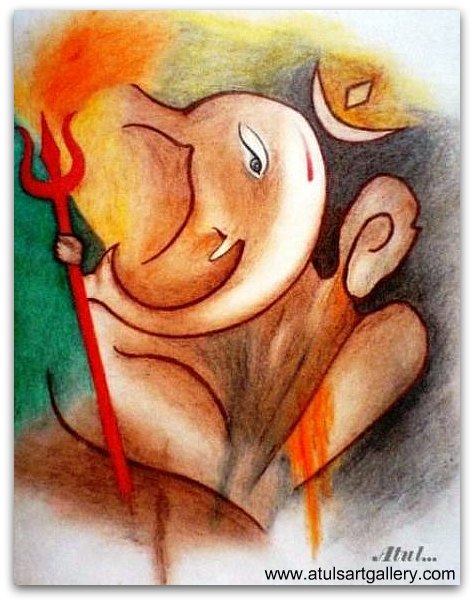
HAPPY RAMZAN AND GOWRI GANESHA FESTIVAL

Tuesday, August 31, 2010

GLAMOUR GOD


Share

Twitter Delicious Facebook Digg Stumbleupon Favorites More

Free Domain
Audio Streamed by the BroadWave Streaming Audio Server by NCH Software