Weather in Bangalore : 29°C as at 09:45
  • ~WISH YOU ALL A VERY HAPPY AND WONDERFUL MOMENT.~
Week's Proverb : A nod is as good as a wink.-(To a person who is ready to understand or undertake something, any subtle signalling of it is sufficient)

Theme of the Week

About Me

It is my first time to say hello and do some self introduction to everybody here online. My name is Ashis.P.Donthi, male, 27, from Bangalore, India. I like reading, and do some collections in my spare time.

About Me

It is my first time to say hello and do some self introduction to everybody here online. My name is Ashis.P.Donthi, male, 27, from Bangalore, India. I like reading, and do some collections in my spare time.

About Me

It is my first time to say hello and do some self introduction to everybody here online. My name is Ashis.P.Donthi, male, 27, from Bangalore, India. I like reading, and do some collections in my spare time.

About Me

It is my first time to say hello and do some self introduction to everybody here online. My name is Ashis.P.Donthi, male, 27, from Bangalore, India. I like reading, and do some collections in my spare time.

About Me

It is my first time to say hello and do some self introduction to everybody here online. My name is Ashis.P.Donthi, male, 27, from Bangalore, India. I like reading, and do some collections in my spare time.

Saturday, October 02, 2010

Did You Know?

YAHOO = Yet Another Hierarchical Officious Oracle.
HTML = HyperText Markup Language.
Till today there are 9,26,15,362 Websites.
In a day 50,000 Crore E-mails are being sent across the world.

Veg Food

Dal with Palak
Serves 4
INGREDIENTS
3 cups (250gm) chopped palak (spinach)
1 cup arhar dal or toovar ki dal (red gram dal)
1 small clove garlic finely chopped (optional)
½ piece ginger finely chopped
1 green chilli finely chopped
½ tsp haldi (turmeric powder)
1½ tsp salt to taste
1 tsp Leonardo® olive oil.
TOMATO ONION BAGHAR (TADKA)
3 tbsp Leonardo® Olive Pomace Oil
½ tsp jeera (cumin seeds)
1 onion chopped finely
1 tomato chopped finely
1 green chilli slit length ways into four pieces
½ tsp garam masala (mixed spices)
½ tsp dhania (coriander) powder
1/8 tsp amchoor (dried mango powder)
½ tsp red chilli powder.

Preparation:
Pick, clean and wash dal, Wash chopped palak in plenty of water
Mix dal, palak, garlic, ginger, green chilli, haldi, salt and Leonardo® Olive Pomace Oil. Add 3 cups of water to the dal.
Pressure cook dal to give one whistle and then keep on low flame for 6-7 minutes. Remove the cooker from heat.
For the baghar, heat Leonardo® Olive Pomace Oil. Reduce heat. Add jeera. When it turns golden, add onions.
Cook till onions turn brown. Do not under cook the onions. Brown them, stirring continuously.
Add tomatoes. Cook for 2-3 minutes on low flame.Add dhania powder, amchoor and garam masala. Cook for ½ minute.
Keep aside. Add the green chillies and red chilli powder. Mix well.
Pour over the hot dal. Mix gently.
Serve hot.

Non Veg Dish

Chicken Amravati
Necessary Items: Onion, peanuts and coconut shreds coat chicken strips in a South Indian style.
Serves 4-6
Preparation:
2 chicken breasts
5 onions (2 grated and 3 sliced)
½ cup curry leaves
5 tbsp Leonardo® Olive Pomace Oil
1½ tsp brown small rai (mustard seeds)
A small piece of fresh coconut (brown skin removed and grated finely (¼ cup))
2 tbsp roasted peanuts (split into halves 1¼ tsp tsp salt, or to taste )
3 tbsp lemon juice (juice of one large lemon)
A pinch of tandoori red colour, optional
4 tbsp tomato puree
Red Chilli Paste
4 dry Kashmiri red chillies (deseeded and soaked in warm water for 10 minutes)
1 piece ginger
1 tbsp cashews, 3 tbsp curd
2 tbsp dhania powder
2-3 laung (cloves), 6-7 saboot kali mirch (peppercorns)

Wash the chicken. Cut breasts into thick strips. Pressure cook with 1½ cups water and ½ tsp salt and 1 tbsp Leonardo® Olive Pomace Oil to give 1 whistle. Remove the cooker from heat. Keep aside.
Grate 2 onions. Cut the other 3 onions into halves. Then cut each half widthwise into semi- circles to get half rings or thin strips of onion.
Scrape brown skin of coconut and grate finely to get ¼ cup.
Drain the soaked red chillies. Add all other ingredients of the paste and grind to a smooth paste using a little water for grinding.
Heat 5 tbsp Leonardo® Olive Pomace Oil. Add rai. Let it splutter for a minute.
Add grated onions and curry leaves. Cook till onions turn light brown.
Add onion slices and cook for 3-4 minutes till soft.
Add peanuts and coconut and cook on low heat for 5 minutes till crisp. Keep the coconut spread out while cooking
Add tomato puree, cook for a minute.
Add chicken, reserving the stock, Add red chilli paste and stir fry 2-3 minuteAdd colour and salt.
Add 1 cup chicken stock. Boil. Cover and cook on low heat for 3-4 minutes, stirring occasionally.
Add lemon juice and mix well.
Serve hot.

Monday, September 27, 2010

Links

Below are the links where you can find lots of stuff. ENJOY...

NIIT Softwares Niit related softwares (IT, Mathlab and Other PC softwares)
Wallpapers 2D and 3D Images
Music Ringtones, Music Bits, Theme Musics
Computer Softwares Convertors, Translators, Editors
My Tutorials Subjects related to Technology


NIIT Formats and Training needed

Keep Smiling...

Thursday, September 23, 2010

Jana Gana Mana

Jana Gana Mana
Every Indian young or old had sung the National Anthem thousand of times from school assemblies to college gatherings ,during inaugural sessions and everywhere to honor and give respect to our nation. It was first sung at the Calcutta Session of the Indian National Congress on 27 December 1911. Jana Gana Mana was officially adopted by the Constituent Assembly as the Indian national anthem on January 24, 1950. But we just sang except few of those elan’ patriotic who actually understands its meaning. Well its not our fault,its been written in such a highly Sanskritized Bengali by Nobel laureate Rabindranath Tagore that we couldn’t translate it except the name of the states(Punjab,Sindh,Gujarat,Maratha) and rivers(Ganga.Jamuna,Yamuna) which comes in between. Today after completing 62 years of glorious independence many of us still don’t know what “Jana Gana Mana” entails. This article is a small effort to make more and more Indians understand the true meaning of National Anthem.

National Anthem in Sanskrit
Jana gana mana adhinayaka jaya he
Bharata bhagya vidhata
Panjaba Sindha Gujarata Maratha
Dravida Utkala Vanga
Vindhya Himacala Yamuna Ganga
Ucchala jaladhi taranga
Tava subha name jage
Tava subha asisa mage
Gahe tava jaya gatha
Jana gana mangala dayaka jaya he
Bharata bhagya vidhata
Jaya he jaya he jaya he
Jaya jaya jaya jaya he!

National Anthem translated into English
O! Dispenser of India’s destiny, thou art the ruler of the minds of all people
Thy name rouses the hearts of Punjab, Sindh, Gujarat, the Maratha country,
in the Dravida, Utkala and Bengal;
It echoes in the hills of the Vindhyas and Himalayas,
it mingles in the rhapsodies of the pure waters of Yamuna and Ganga
They chant only thy name.
They seek only thy auspicious blessings.
They sing only the glory of thy victory.
The salvation of all people waits in thy hands,
O! Dispenser of India’s destiny, thou art the ruler of the minds of all people
Victory to thee, Victory to thee, Victory to thee,
Victory, Victory, Victory, Victory to thee!

Rabindranath Tagore himself translated Jana Gana Mana from Sanskrit to English and also set it to music in Andhra Pradesh way back in 1919.The Jana Gana Mana video was released on January 26, 2000 to mark the 50th year of the Indian Republic. It has the distinction of being released by the then President of India, in the Central Hall of the Indian Parliament.


It was produced by Bharat Bala and Kanika Myer and published by Ministry of Culture, Youth Affairs and Sports, Government of India.Bharat Bala and A. R. Rahman worked together to create this historic album.

Jana Gana Mana by the PEOPLE


Friday, September 17, 2010

Saare Jahan Se Achcha

Saare Jahan Se Achcha

Saare Jahan Se Achchha (Urdu:سارے جہاں سے اچھا) is one of the enduring patriotic poems of the Urdu language. Written originally for children in the ghazal style of Urdu poetry by poet Muhammad Iqbal, the poem was published in the weekly journal Ittehad on 16 August 1904. Recited by Iqbal the following year at Government College, Lahore, now in Pakistan, it quickly became an anthem of opposition to the British rule in India. The song, an ode to Hindustan—the land comprising present-day Bangladesh, India, and Pakistan—both celebrated and cherished the land even as it lamented its age-old anguish. Also known as Tarana-e-Hindi (Urdu: ترانۂ ہندی "Anthem of the People of Hindustan"), it was later published in 1924 in the Urdu book Bang-i-Dara.
Iqbal was a lecturer at the Government College, Lahore at that time, and was invited by student Lala Har Dayal to preside over a function. Instead of delivering a speech, Iqbal sang Saare Jahan Se Achcha. The song, in addition to embodying yearning and attachment to the land of Hindustan, expressed "cultural memory" and had an elegiac quality. In 1905, the 27-year old Iqbal was still in his idealistic phase and viewed the future society of the subcontinent as both a pluralistic and composite Hindu-Muslim culture. Later that year he left for Europe for a three-year sojourn that was to transform him into an Islamic philosopher and a visionary of a future Islamic society.

Iqbal's transformation and Tarana-e-Milli
In 1910, Iqbal wrote another song for children, Tarana-e-Milli (Anthem of the Religious Community), which was composed in the same metre and rhyme scheme as Saare Jahan Se Achcha, but which renounced much of the sentiment of the earlier song. For example, the sixth stanza of Saare Jahan Se Achcha (1904) is often quoted as proof of Iqbal's secular outlook:
mażhab nahīñ sikhātā āpas meñ bair rakhnāhindī haiñ ham, vat̤an hai hindostāñ hamārā
or, Religion does not teach us to bear ill-will among ourselvesWe are of Hind, our homeland is Hindustan. In contrast, the first stanza of Tarana-e-Milli (1910) reads:
chīn-o-arab hamārā, hindostān hamārāmuslim hain ham, vatan hai sārā jahān hamārā
or, Central Asia and Arabia are ours, Hindustan is oursWe are Muslims, the whole world is our homeland. Iqbal's world view had now changed; it had become both global and Islamic. Instead of singing of India, "our homeland," the new song proclaimed that "our homeland is the whole world." Two decades later, in his presidential address to the Muslim League annual conference in Allahabad in 1930, he was to propose a separate nation-state in the Muslim majority areas of the sub-continent, an idea that inspired the creation of Pakistan. Due to this he later became known as as Muffakir-e-Pakistan ("The Thinker of Pakistan"). He is officially recognized as the national poet of Pakistan.

Popularity in India
In spite of its creator's disavowal of it, Saare Jahan Se Achcha has remained popular in India for over a century. Mahatma Gandhi is said to have sung it over a hundred times when he was imprisoned at Yerawada Jail in Pune in the 1930s. The poem was set to music in the 1950s by sitar maestro Ravi Shankar and recorded by singer Lata Mangeshkar. Stanzas (1), (3), (4), and (6) of the song became an unofficial national anthem in India, and were also turned into the official quick march of the Indian Armed Forces. Rakesh Sharma, the first Indian cosmonaut, employed the first line of the song in 1984 to describe to then prime minister Indira Gandhi how India appeared from outer space. Current prime minister, Manmohan Singh, quoted the poem at his first press conference.

Urdu text
سارے جہاں سے اچھا ہندوستاں ہماراہم بلبليں ہيں اس کي، يہ گلستاں ہمارا
غربت ميں ہوں اگر ہم، رہتا ہے دل وطن ميںسمجھو وہيں ہميں بھي، دل ہو جہاں ہمارا
پربت وہ سب سے اونچا، ہمسايہ آسماں کاوہ سنتري ہمارا، وہ پاسباں ہمارا
گودي ميں کھيلتي ہيں اس کي ہزاروں ندياںگلشن ہے جن آب رود گنگا، وہ دن ہيں ياد تجھ کو؟اترا ترے کنارے جب کارواں ہمارا
مذہب نہيں سکھاتا آپس ميں بير رکھناہندي ہيں ہم وطن ہے ہندوستاں ہمارا
يونان و مصر و روما سب مٹ گئے جہاں سےاب تک مگر ہے باقي نام و نشاں ہمارا
کچھ بات ہے کہ ہستي مٹتي نہيں ہماريصديوں رہا ہے دشمن دور زماں ہمارا
اقبال! کوئي محرم اپنا نہيں جہاں ميںمعلوم کيا کسي کو درد نہاں ہمارا

Hindi transliteration
सारे जहाँ से अच्छा हिन्दोस्तान हमारा ।हम बुलबुले है इसकी ये गुलसिता हमारा ॥धृ॥
घुर्बत मे हो अगर हम रहता है दिल वतन मे ।समझो वही हमे भी दिल है जहाँ हमारा ॥१॥
परबत वो सब से ऊंचा हमसाय आसमाँ का ।वो संतरी हमारा वो पासबा हमारा ॥२॥
गोदी मे खेलती है इसकी हजारो नदिया ।गुलशन है जिनके दम से रश्क-ए-जना हमारा ॥३॥
ए अब रौद गंगा वो दिन है याद तुझको ।उतर तेरे किनारे जब कारवाँ हमारा ॥४॥
मझहब नही सिखाता आपस मे बैर रखना ।हिन्दवी है हम वतन है हिन्दोस्तान हमारा ॥५॥
युनान-ओ-मिस्र-ओ-रोमा सब मिल गये जहाँ से ।अब तक मगर है बांकी नामो-निशान हमारा ॥६॥
कुछ बात है की हस्ती मिटती नही हमारी ।सदियो रहा है दुश्मन दौर-ए-जमान हमारा ॥७॥
इक़्बाल कोइ मेहरम अपना नही जहाँ मे ।मालूम क्या किसी को दर्द-ए-निहा हमारा ॥८॥

Roman Transliteration
sāre jahāñ se acchā hindostāñ hamārāham bulbuleñ haiñ us kī vuh gulsitāñ hamārā
ġhurbat meñ hoñ agar ham, rahtā hai dil vat̤an meñsamjho vuhīñ hameñ bhī dil ho jahāñ hamārā
parbat vuh sab se ūñchā, hamsāyah āsmāñ kāvuh santarī hamārā, vuh pāsbāñ hamārā
godī meñ kheltī haiñ us kī hazāroñ nadiyāñgulshan hai jin ke dam se rashk-e janāñ hamārā
ay āb-rūd-e gangā! vuh din haiñ yād tujh ko?utarā tire kināre jab kāravāñ hamārā
mażhab nahīñ sikhātā āpas meñ bair rakhnāhindī haiñ ham, vat̤an hai hindostāñ hamārā
yūnān-o-miṣr-o-rumā sab miṭ gaʾe jahāñ seab tak magar hai bāqī nām-o-nishāñ hamārā
kuchh bāt hai kih hastī miṭtī nahīñ hamārīsadiyoñ rahā hai dushman daur-e zamāñ hamārā
iqbāl! koʾī maḥram apnā nahīñ jahāñ meñmaʿlūm kyā kisī ko dard-e nihāñ hamārā!

Translation
Better than the entire world, is our Hindustan,We are its nightingales, and it (is) our garden abode
If we are in an alien place, the heart remains in the homeland,Know us to be only there where our heart is.
That tallest mountain, that shade-sharer of the sky,It (is) our sentry, it (is) our watchman
In its lap frolic those thousands of rivers,Whose vitality makes our garden the envy of Paradise.
O the flowing waters of the Ganges, do you remember that dayWhen our caravan first disembarked on your waterfront?
Religion does not teach us to bear ill-will among ourselvesWe are of Hind, our homeland is Hindustan.
In a world in which ancient Greece, Egypt, and Rome have all vanished without traceOur own attributes (name and sign) live on today.
Such is our existence that it cannot be erasedEven though, for centuries, the cycle of time has been our enemy.
Iqbal! We have no confidant in this worldWhat does any one know of our hidden pain?

Thursday, September 09, 2010

BEST WISHES


HAPPY RAMZAN AND GOWRI GANESHA FESTIVAL

Tuesday, August 31, 2010

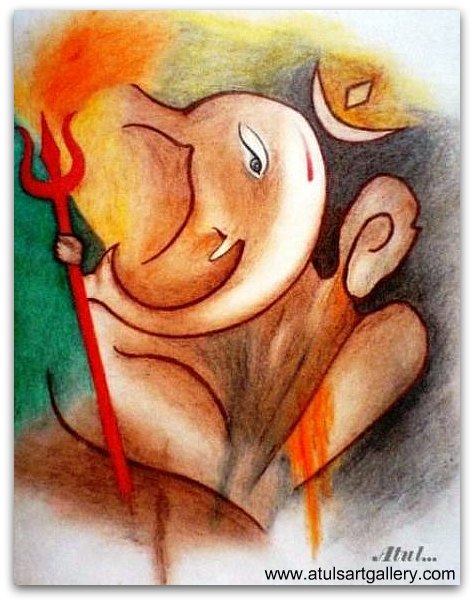
GLAMOUR GOD


Monday, August 16, 2010

HOW TO ADD A SIGNATURE IN A WORD


Step 1: This is your desktop. (Above Figure)


Step 2: Click on START and select RUN. (Above Figure)


Step 3: Type eudcedit and click OK. (Above Figure)


Step 4: Private Character Editor Window will be displayed along with Select Code window. Select any block and click OK. (Above Figure)


Step 5: A Grid layout will be displayed. (Above Figure)


Step 6: Write/Draw your signature on the grid using the pen. (Above Figure)


Step 7: Click on Edit menu and select Save Character As… option. (Above Figure)


Step 8: Save Character As Window will be displayed. Click OK. (Above Figure)


Step 9: Close Private Character Editor Window and click on Start- Programs- Accessories- System Tools- Character Map. (Above Figure)


Step 10: Character Map Window will be displayed. (Above Figure)


Step 11: Choose All Fonts (Private Characters) from the drop down box. (Above Figure)


Step 12: Click on Select and then click Copy. (Above Figure)


Step 13: Minimize the window and click on Start- Programs- Microsoft Office- Microsoft Office Word 2007 (Word Processor). (Above Figure)


Step 14: Click on Paste option. (Above Figure)


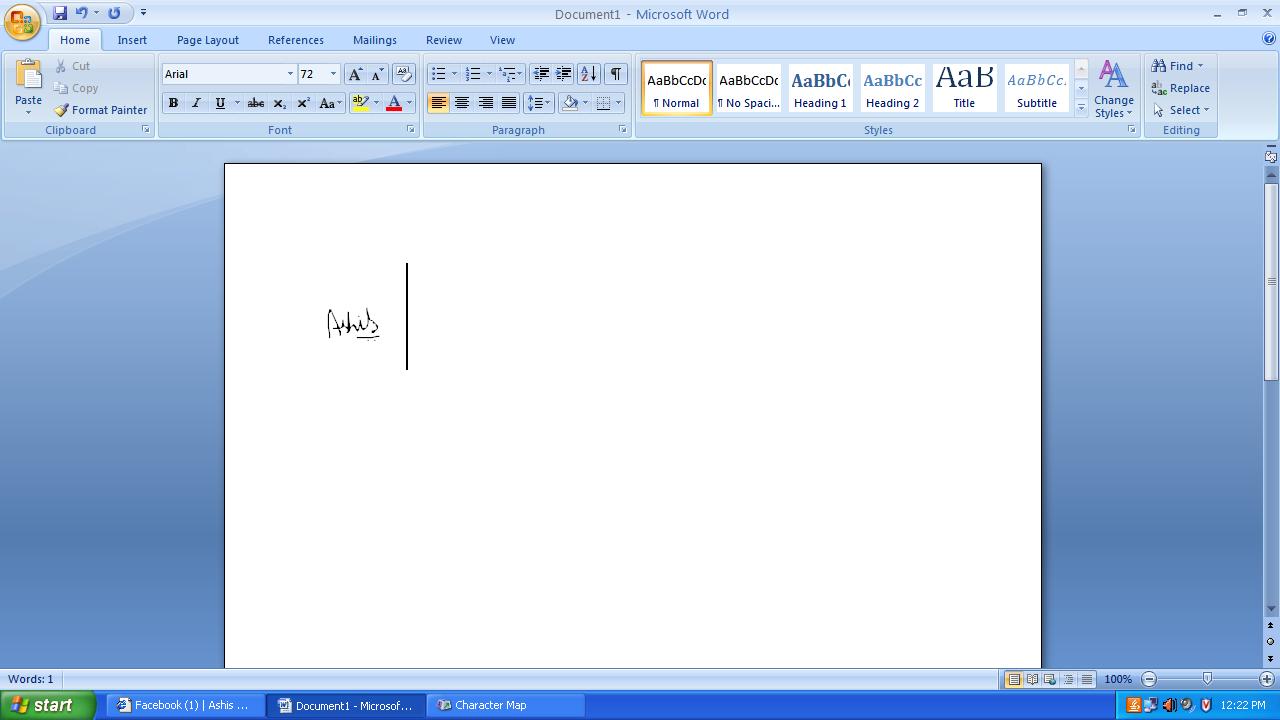
Step 15: Your signature will be pasted. (Above Figure)


Step 16: Select the signature and increase the font size. (Above Figure)


Step 17: That’s it!!! Your Signature is now ready. (Above Figure)

Share

Twitter Delicious Facebook Digg Stumbleupon Favorites More

Free Domain
Audio Streamed by the BroadWave Streaming Audio Server by NCH Software